
.svg)
What the Top 10% of Local Governments Do Differently in 2026
We analyzed 81 local governments. The top 10% execute 11x more than the rest — same budgets, same staff. Here's exactly what they do differently, live, with the data.
Every city sets goals. The top 10% actually finish them.
We pulled the data on hundreds of local governments, each tracking more than 50 initiatives. The best finish 40% or more of what they start. Most stall below 20% — the median lands under 5%. Same mandates. Same constraints. Roughly 11x more gets done at the top.
The difference isn't money or effort. It's structure. And it leaves fingerprints in the data.
And the timing matters. With federal relief dollars running out at the end of 2026, 69% of mayors expect the squeeze to hit their budgets. The cost of a plan that stalls has never been higher.
What you'll learn
On July 1, Ted Jackson and Joseph Lucco break down the five structural habits that separate the top 10% — and what those cities are prioritizing for the back half of 2026.
- The one-plan rule — how top performers run a single plan across 21+ departments instead of a binder per silo.
- Distributed ownership — why spreading initiatives across ~30 owners beats piling them on two overloaded leaders.
- Goals small enough to track — the top cities break work into 514 trackable goals, not 359 vague ones.
- A quarterly rhythm — 37,000+ data points a year, not one annual scramble at budget time.
- Archive and restart — the highest-leverage habit we found. Winners close out 99.6% of completed work every year. Almost no one else does.
The proof
Not opinion. The habits we'll show you are the same ones ICMA and Bloomberg's What Works Cities use to define a high-performing government. We just put numbers to the gap — from our platform data, cross-referenced with the 2025 All-America Cities, ICMA Certificate of Excellence recipients, and WalletHub's best-run cities. When we say the top 10% do something differently, we show you the chart.
45 minutes live + Q&A · Free · Can't make it live? Register and we'll send you the recording and the one-pager.

What the Top 10% of Local Governments Do Differently in 2026
Jul 1, 2026 11:00 AM
Register Now
Register Now
We analyzed 81 local governments. The top 10% execute 11x more than the rest — same budgets, same staff. Here's exactly what they do differently, live, with the data.
Every city sets goals. The top 10% actually finish them.
We pulled the data on hundreds of local governments, each tracking more than 50 initiatives. The best finish 40% or more of what they start. Most stall below 20% — the median lands under 5%. Same mandates. Same constraints. Roughly 11x more gets done at the top.
The difference isn't money or effort. It's structure. And it leaves fingerprints in the data.
And the timing matters. With federal relief dollars running out at the end of 2026, 69% of mayors expect the squeeze to hit their budgets. The cost of a plan that stalls has never been higher.
What you'll learn
On July 1, Ted Jackson and Joseph Lucco break down the five structural habits that separate the top 10% — and what those cities are prioritizing for the back half of 2026.
- The one-plan rule — how top performers run a single plan across 21+ departments instead of a binder per silo.
- Distributed ownership — why spreading initiatives across ~30 owners beats piling them on two overloaded leaders.
- Goals small enough to track — the top cities break work into 514 trackable goals, not 359 vague ones.
- A quarterly rhythm — 37,000+ data points a year, not one annual scramble at budget time.
- Archive and restart — the highest-leverage habit we found. Winners close out 99.6% of completed work every year. Almost no one else does.
The proof
Not opinion. The habits we'll show you are the same ones ICMA and Bloomberg's What Works Cities use to define a high-performing government. We just put numbers to the gap — from our platform data, cross-referenced with the 2025 All-America Cities, ICMA Certificate of Excellence recipients, and WalletHub's best-run cities. When we say the top 10% do something differently, we show you the chart.
45 minutes live + Q&A · Free · Can't make it live? Register and we'll send you the recording and the one-pager.
Featured Webinar
What the Top 10% of Local Governments Do Differently in 2026
We analyzed 81 local governments. The top 10% execute 11x more than the rest — same budgets, same staff.
Every city sets goals. The top 10% actually finish them. The difference isn't money or effort. It's structure — and it leaves fingerprints in the data. On July 1, we show you the five habits, live, with the charts.
We analyzed 81 local governments. The top 10% execute 11x more than the rest — same budgets, same staff. Here's exactly what they do differently, live, with the data.
Every city sets goals. The top 10% actually finish them.
We pulled the data on hundreds of local governments, each tracking more than 50 initiatives. The best finish 40% or more of what they start. Most stall below 20% — the median lands under 5%. Same mandates. Same constraints. Roughly 11x more gets done at the top.
The difference isn't money or effort. It's structure. And it leaves fingerprints in the data.
And the timing matters. With federal relief dollars running out at the end of 2026, 69% of mayors expect the squeeze to hit their budgets. The cost of a plan that stalls has never been higher.
What you'll learn
On July 1, Ted Jackson and Joseph Lucco break down the five structural habits that separate the top 10% — and what those cities are prioritizing for the back half of 2026.
- The one-plan rule — how top performers run a single plan across 21+ departments instead of a binder per silo.
- Distributed ownership — why spreading initiatives across ~30 owners beats piling them on two overloaded leaders.
- Goals small enough to track — the top cities break work into 514 trackable goals, not 359 vague ones.
- A quarterly rhythm — 37,000+ data points a year, not one annual scramble at budget time.
- Archive and restart — the highest-leverage habit we found. Winners close out 99.6% of completed work every year. Almost no one else does.
The proof
Not opinion. The habits we'll show you are the same ones ICMA and Bloomberg's What Works Cities use to define a high-performing government. We just put numbers to the gap — from our platform data, cross-referenced with the 2025 All-America Cities, ICMA Certificate of Excellence recipients, and WalletHub's best-run cities. When we say the top 10% do something differently, we show you the chart.
45 minutes live + Q&A · Free · Can't make it live? Register and we'll send you the recording and the one-pager.
Register Now
Register Now
WHO SHOULD ATTEND
Built for leaders who own whether the plan gets done:
- City and county managers heading into 2026 budget season
- Chief innovation & strategy officers who own the strategic plan
- Directors of operations and performance tracking initiatives across departments
- Anyone reporting to council on strategic progress
45 minutes + live Q&A. The recording and the five-chart one-pager go to every registrant.
Thank you!
We look forward to seeing you online on
Please also be on the lookout for an email with confirmation details.
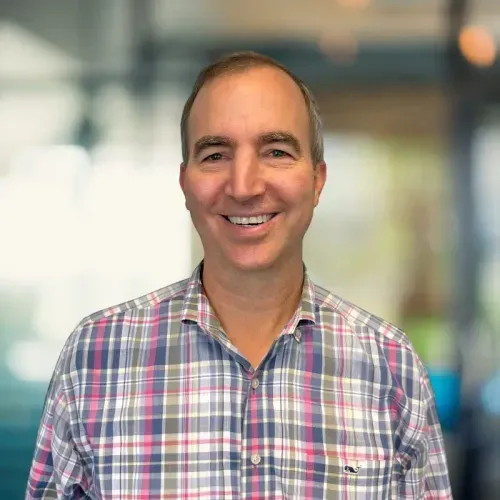
Ted is a Founder and Managing Partner of ClearPoint Strategy and leads the sales and customer success office. He earned his B.A. in Public Policy from Duke University and his MBA from Harvard Business School. When Ted is not in the office or responding to emails, you'll probably find him with his family on a wharf in Point Clear or out back grilling by the pool with his wife, three children, and dog named Riley.
What People Have Said About Previous Webinars
I really appreciated learning about other cities' approach to strategic planning and how they monitor different aspects of their plan. Seeing ClearPoint in action through real user experiences was incredibly helpful. I’d love to see more sessions like this!

A highly informative session with great real-life examples! The speakers clearly illustrated key concepts using ClearPoint, making the session engaging and easy to follow. I only wish it was longer—there was so much great information!

Concise and accessible session packed with valuable insights! I found the performance management techniques helpful and the use of ClearPoint to illustrate best practices made everything easy to understand!

Upcoming Events
